
Ekiti: 37 Days After Kidnappings, Group Gives Governor 6-day Deadline
Ado Ekiti, 3 June, 2026- The sun rises and sets over Eda Oniyo, but for 16 families in Ekiti State, time has stopped.
It has been over a month since gunmen stormed a church night service, killed the pastor in cold blood, and dragged their loved ones—mostly women and children—into the vast, unforgiving forest.
And still, no word. No rescue. No hope.
That horrifying night was April 29, 2026. Worshippers had gathered for a vigil at Christ Apostolic Church (CAC) in Ilejemeje Local Government Area when armed bandits struck without warning.
They shot the presiding pastor dead, then swept through the congregation like hunters rounding up prey. Sixteen souls vanished into the bush.
In the days that followed, Governor Biodun Oyebanji visited the community. He promised action.
“We will never abandon you,” he said. But since then? Families say the silence has been devastating.
No concrete updates. No visible rescue operation. Just an agonizing wait that has turned into despair.
Now, frustration is curdling into fury. The TakeItBack movement in Ekiti has issued a blunt six-day ultimatum to the governor and the state police commissioner.
“We are giving the government six days to secure the safe release of these citizens,” the group declared. “Fail, and we will shut down the governor’s office with protests. The countdown starts now.”
Meanwhile, the kidnappers are playing their own grim game. They first demanded ₦1 billion.
That was later lowered to ₦150 million. But negotiations appear frozen, and with each passing day, families fear the worst.
Many gather each morning in tearful prayer circles, too afraid to voice the question haunting them: Are our mothers, our little ones, even still alive?
Eda Oniyo sits dangerously close to the Kwara State border—a porous fault line that bandits exploit freely.
Security experts point to poorly monitored forests, weak surveillance, and criminal networks moving undeterred between states.
Neighboring Oyo State recently suffered a mass schoolchild abduction, proof that even the Southwest, long considered safer than the north, is bleeding.
The emotional toll is visible everywhere. The church grounds are empty.
The vibrant hum of community life has been replaced by a heavy, fearful silence. Parents clutch their remaining children tighter. Neighbors speak in whispers.
Analysts warn that the government’s sluggish response is eroding public trust. “People are watching,” one security analyst said. “If Ekiti cannot protect worshippers in a church, or rescue them after 37 days, then no one feels safe.”
Governor Oyebanji’s administration has pointed to past efforts—stronger border patrols, cooperation with Amotekun vigilantes.
But critics say that’s not enough. “We need intelligence-led raids, not promises,” a local activist fumed. “These are human beings, not case files.”
As the six-day ultimatum ticks down, tension grips the state. Families of the abducted hold their breath.
The rest of Ekiti watches. Will the government act before grief turns into rage? Will the forest give up its hostages?
One thing is painfully clear: in Eda Oniyo, hope is running out.
And across Nigeria, the question echoes louder than ever—if not even a church is safe, and not even a month of waiting brings rescue, then what does safety mean anymore?
 news
news VIDEO: Oshiomhole Explodes Over Insecurity, Confronts Akpabio In Senate
 world
world Kainji Forest Becoming Haven for Killers, Senator Raises Alarm
 news
news Demolished Memorial Reignites Painful Owo Attack Memories
 news
news Court Jails One for N2.9m Crypto Fraud in Maiduguri
 news
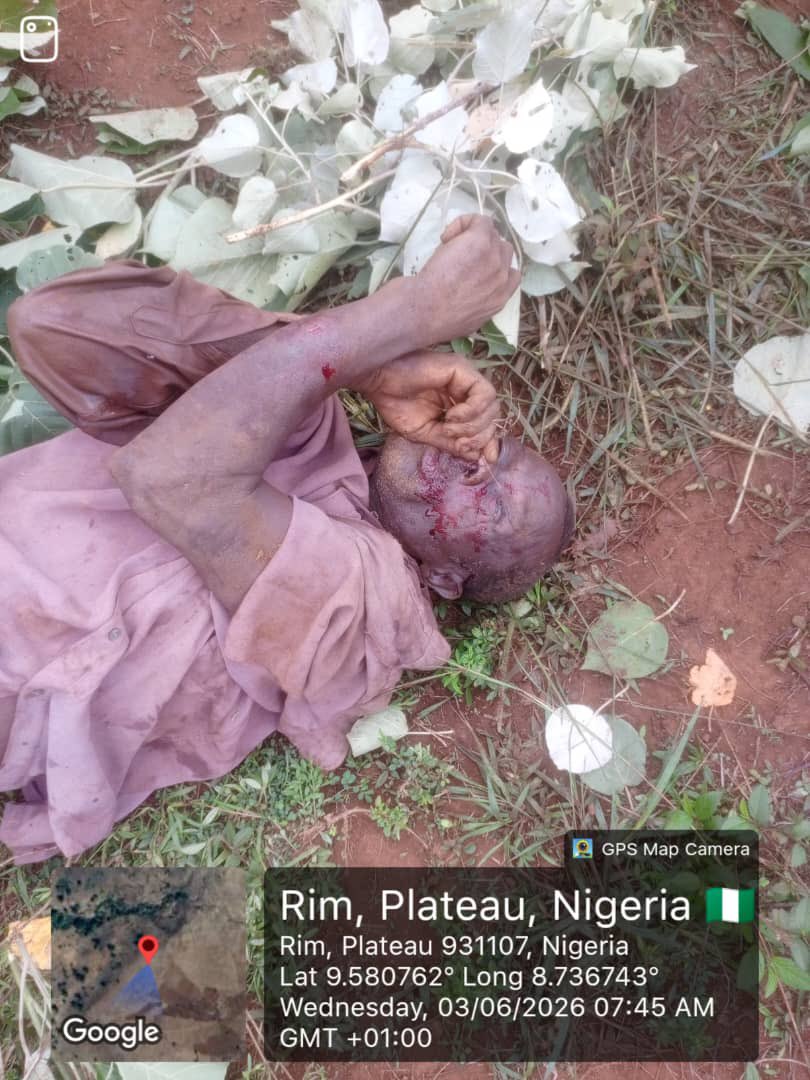
news Tragedy Strikes as Community Leader Found Murdered in Plateau Village
How do you feel about this news?
Community Additions
Have a news tip, correction, or extra context about this story? Post it below instantly. All submissions appear live on this screen immediately.